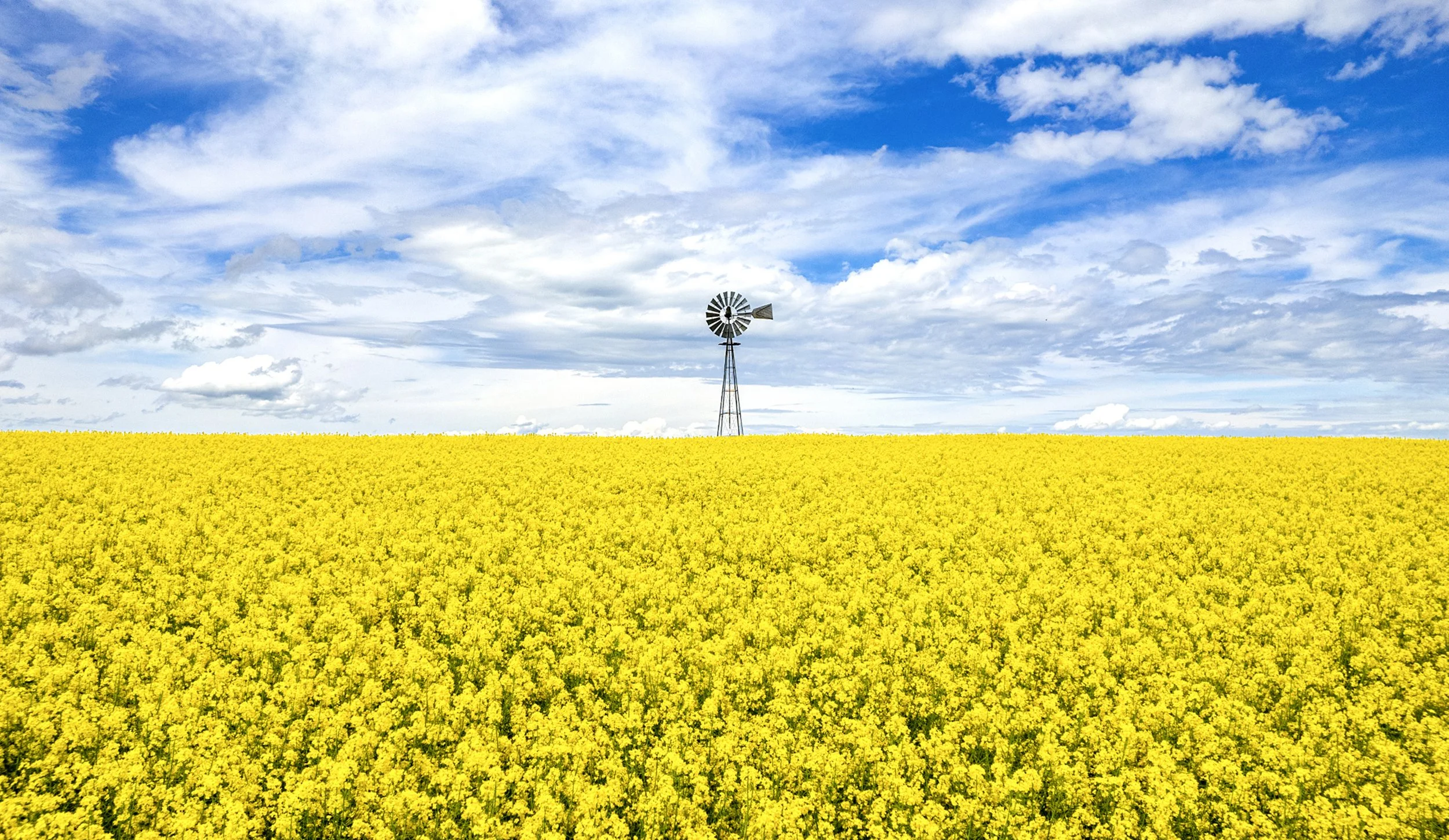
Environmental
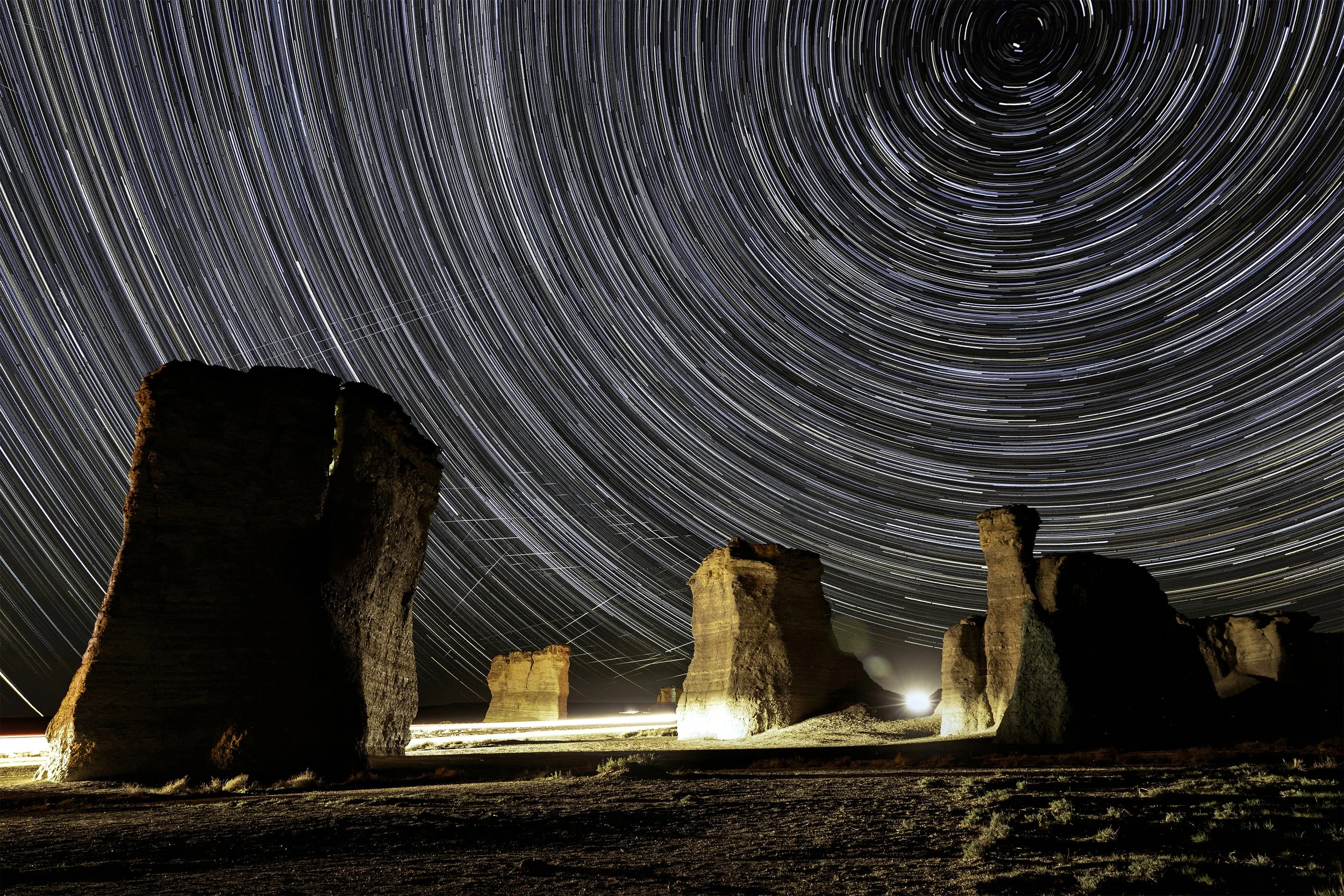
An old sea of stars spiral across the night sky in this photo illustration of Monument Rocks on April 29, 2025, near Oakley, Kan. Also known as the Chalk Pyramids, the 80 million-year-old rock towers were once ample buffalo hunting grounds for the Cheyenne, Apapaho, Sioux, Kiowa and Apache and held spiritual significance for Native Americans.
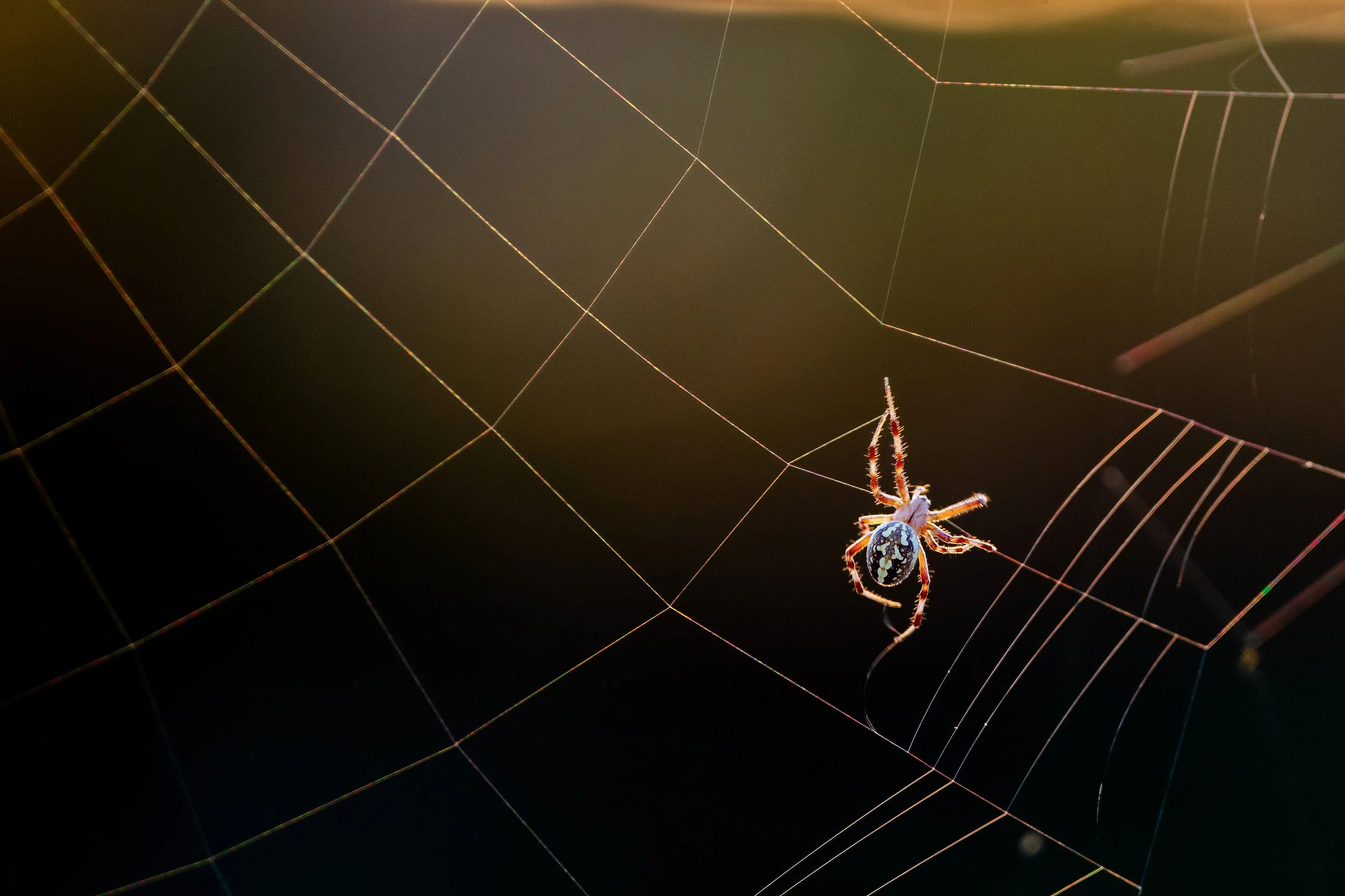
An orb weaver spider spins its web as the sun begins to set Aug. 23, 2022, in Lewiston, Idaho. Many orb-weavers build a new web daily, remaining hidden during most of the day before becoming more active at night, according to National Geographic.

Lighting illuminates the night sky over the Palouse Prairie during the early morning hours Aug. 12, 2022, near Colton, Wash.
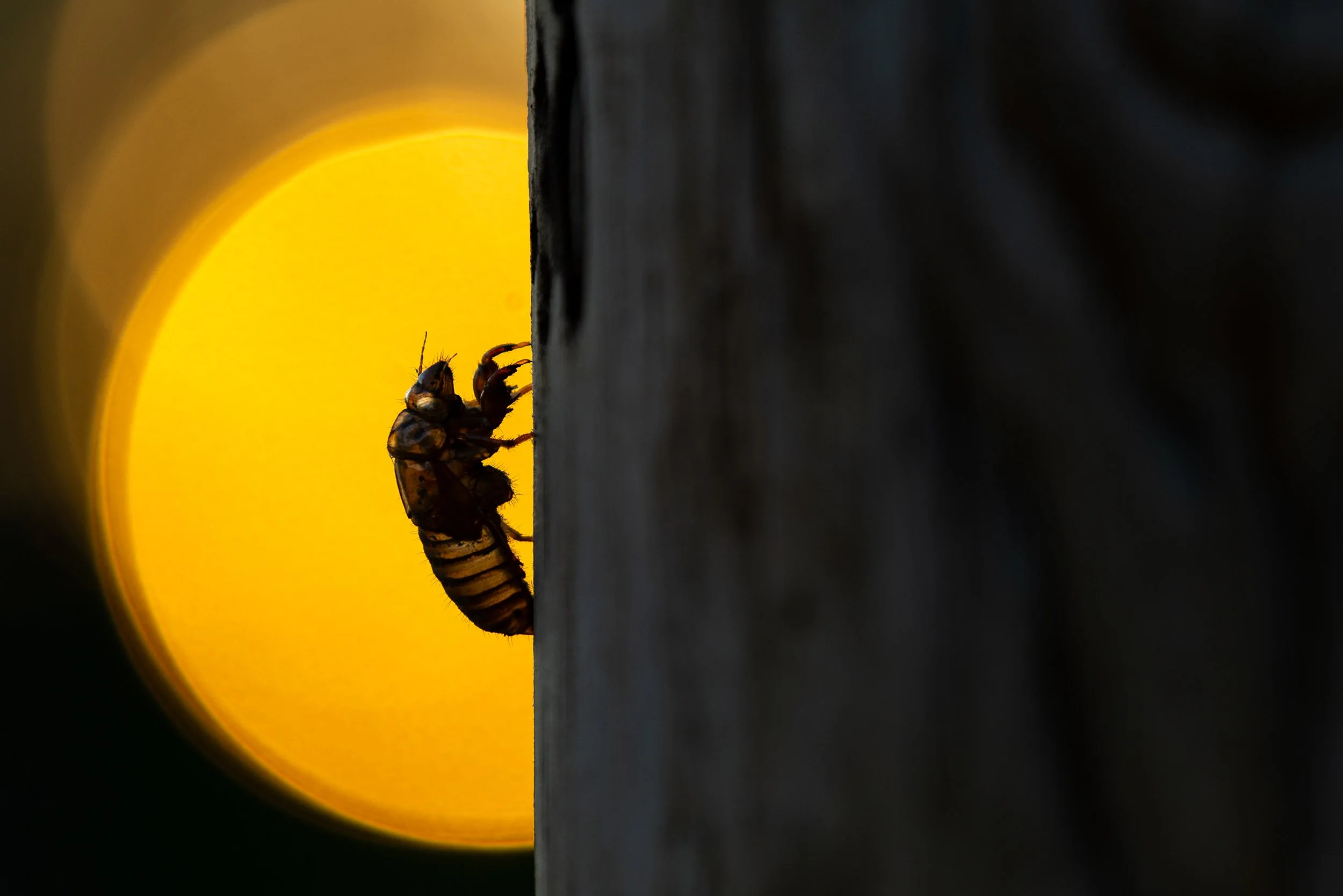
The shell of a brood cicada grips a telephone poll as the sun descends May 17, 2024, in Columbia, Mo. The XIX and XIII broods emerge from the ground every 13 and 17 years, respectively, to mate and die within a few weeks. This year the two broods reproductive cycle overlapped in a rare event, one which can be heard clearly across the city.

A fallen red leaf floats in an oily puddle creating a rainbow like mosaic of vibrant colors on a rainy fall day Nov. 11, 2023, in downtown Lewiston, Idaho.
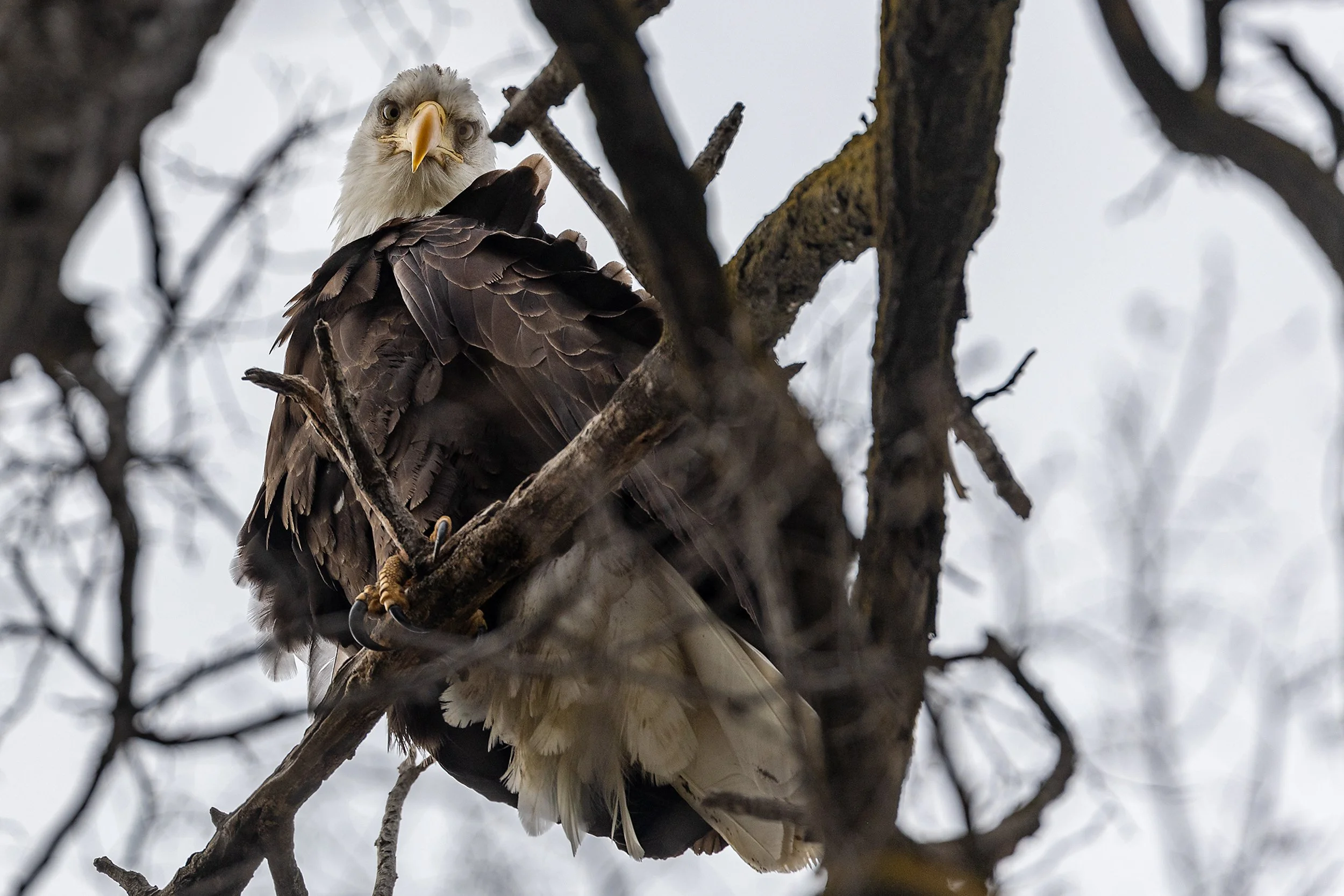
A bald eagle glares down from its perch with the face of a serious predator February 11, 2023, at Beachview Park in Clarkston, Wash. Bald eagle populations diminished to critical levels after the introduction of the pesticide DDT in the 1940s, but the 1972 banning of DDT in the U.S., along with additional recovery efforts, revitalized the eagle’s numbers in the ensuing decades, according to the U.S. Fish and Wildlife Service. The bald eagle was removed from the federal threatened and endangered species list in 2007.